By the end of the second day, most of what a funeral will cost has already been decided. Not paid, decided. Four choices do the work: how the body is transferred and held, whether the disposition is burial or cremation, whether there is a viewing with the body present, and which third parties get paid through the funeral home. Everything else on the invoice moves the total by a few hundred dollars. These four move it by thousands.
The useful thing to know in the first week is which decisions are actually urgent. Very few are. The pressure a household feels on day one is mostly social, not procedural, and the items that feel most pressing (the casket, the obituary, the service date) are rarely the ones with a real deadline attached.
Day one: transfer and holding, and nothing else has to be settled
Someone has to move the body from the place of death to a licensed facility, and someone has to hold it. That is the whole of day one. The transfer is billed as a flat fee, higher if the death occurred outside the funeral home's normal service radius, higher again for a second attendant or an after-hours call. Ask what the radius is and whether the residence or facility falls inside it, because mileage add-ons are common and easy to verify.
Holding is where the first real fork appears. Refrigeration is billed by the day and is usually the cheaper option. Embalming is a one-time charge, typically several hundred dollars, and is not required by law for the death itself in most circumstances. It becomes practically necessary for a public viewing with the body present, or for shipping across some state lines, or when the interval between death and service stretches out. If nobody has decided about a viewing yet, refrigeration buys time cheaply. Say that out loud rather than letting embalming be assumed.
Authorization for cremation is a separate signature and cannot be undone. It generally requires the legal next of kin under state law, and where there are several people at the same level of kinship, some states require all of them to sign. If the family is not unanimous, that is a matter to resolve before the form is signed, not after.
Read the price list before the room, not after
The Federal Trade Commission is responsible for the rule that governs how funeral prices are disclosed. In practice that means a funeral home has to give you an itemized general price list to keep when you ask about arrangements in person, has to quote prices over the phone, and cannot require you to buy a package to get an individual item. You may supply a casket or urn bought elsewhere and the home cannot charge a handling fee for it.
One line on that list is not optional: the basic services fee for the funeral director and staff. It covers arrangement conferences, permits, coordination, overhead, and it applies to a direct cremation as much as to a full funeral. Read it first, because it sets the floor. Then read the package prices next to the itemized ones. Packages are often the better value for a traditional burial with a viewing and a chapel service. They are usually the worse value if the family wants a cremation followed by a gathering somewhere else, because the household ends up paying for facilities it will not use.
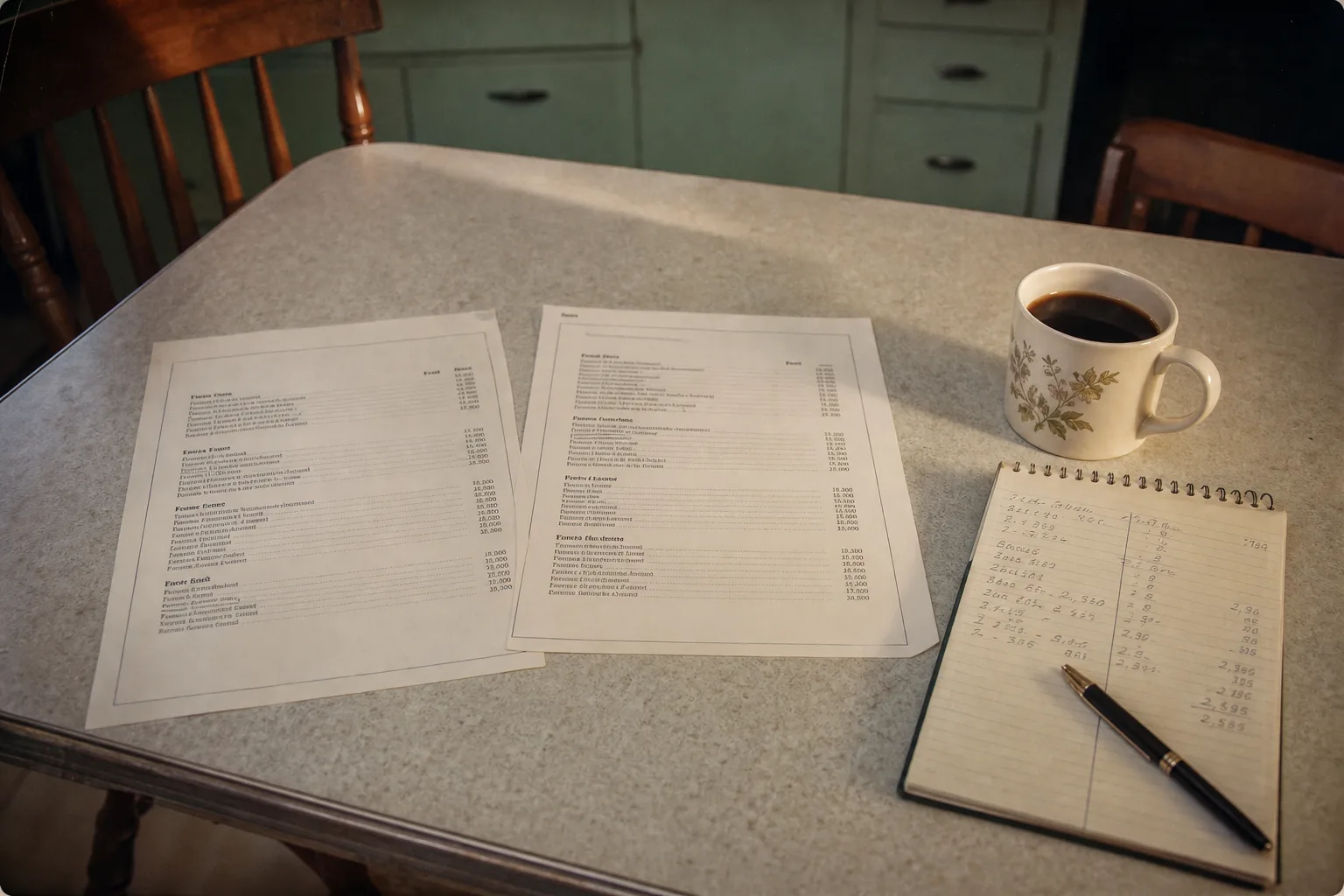
Take the price list home. An hour at a kitchen table with two or three price lists side by side is the single highest-return hour in the whole week, and the range between homes in the same city is wide enough to be worth the effort.
The four drivers, in order of how much they move the number
Disposition method is first and largest. Direct cremation with no viewing and no facility use is the least expensive route by a wide margin. Burial adds the casket, the vault or grave liner if the cemetery requires one, the plot, and the opening and closing fee. Cremation followed by a full service in the funeral home's chapel can cost more than a simple burial, so the label matters less than the itemized total.
Second is whether the body is present. A viewing pulls in embalming, cosmetic preparation, dressing, a casket suitable to be seen, staff hours, and use of the visitation room, often billed per day or per session. Closed casket or no viewing removes most of that at once.
Third is timing. Compressing everything into three days can mean weekend staffing, expedited memorial printing, and a cemetery crew called in outside normal hours. Cemeteries in particular charge more for Saturday interments and may not do them at all on Sunday. Stretching the interval by four days is frequently cheaper than compressing it by two.
Fourth is the casket itself, which is where the largest single voluntary swing usually sits. The same box in a different finish can differ by thousands. Metal gauge and hardwood species drive that price, not protection of the remains, whatever the display card implies.
Cash advances: money that leaves through the funeral home but is not the funeral home's
These appear as a block on the invoice and they are worth reviewing line by line, because the household is often paying a markup on a service it could arrange directly. Typical entries: cemetery plot, opening and closing the grave, clergy or celebrant honorarium, musicians, newspaper obituary charges, certified copies of the death certificate, flowers, and any medical examiner or permit fees.
Order more certified death certificates than feels necessary. Banks, insurers, the title office, pension administrators and the DMV each want an original, and reordering later costs more per copy plus another trip. Six to ten is a reasonable working range for most households.
On the credit side, ask about entitlements early rather than late: a small Social Security lump-sum death payment to a surviving spouse or eligible child, Veterans Affairs burial allowances and a no-cost national cemetery plot for eligible veterans, employer life insurance or a union death benefit, and any prepaid or preneed contract the deceased may have signed. Preneed contracts are frequently forgotten by the family and honored without question when produced.
What can wait, and should
The service does not have to be the disposition. A cremation or burial can happen this week and a memorial can happen in six weeks, when relatives can travel and the household can price catering, a venue and printing without a deadline. The headstone can wait months, and in most cemeteries has to, since the ground needs to settle before a foundation is poured.
Deferring those three things costs nothing and removes the two conditions that make funeral spending go badly: a decision made in one sitting, and a decision made by whoever is least tired. Almost every regret a household reports later attaches to something bought on day two that could have been bought on day thirty.