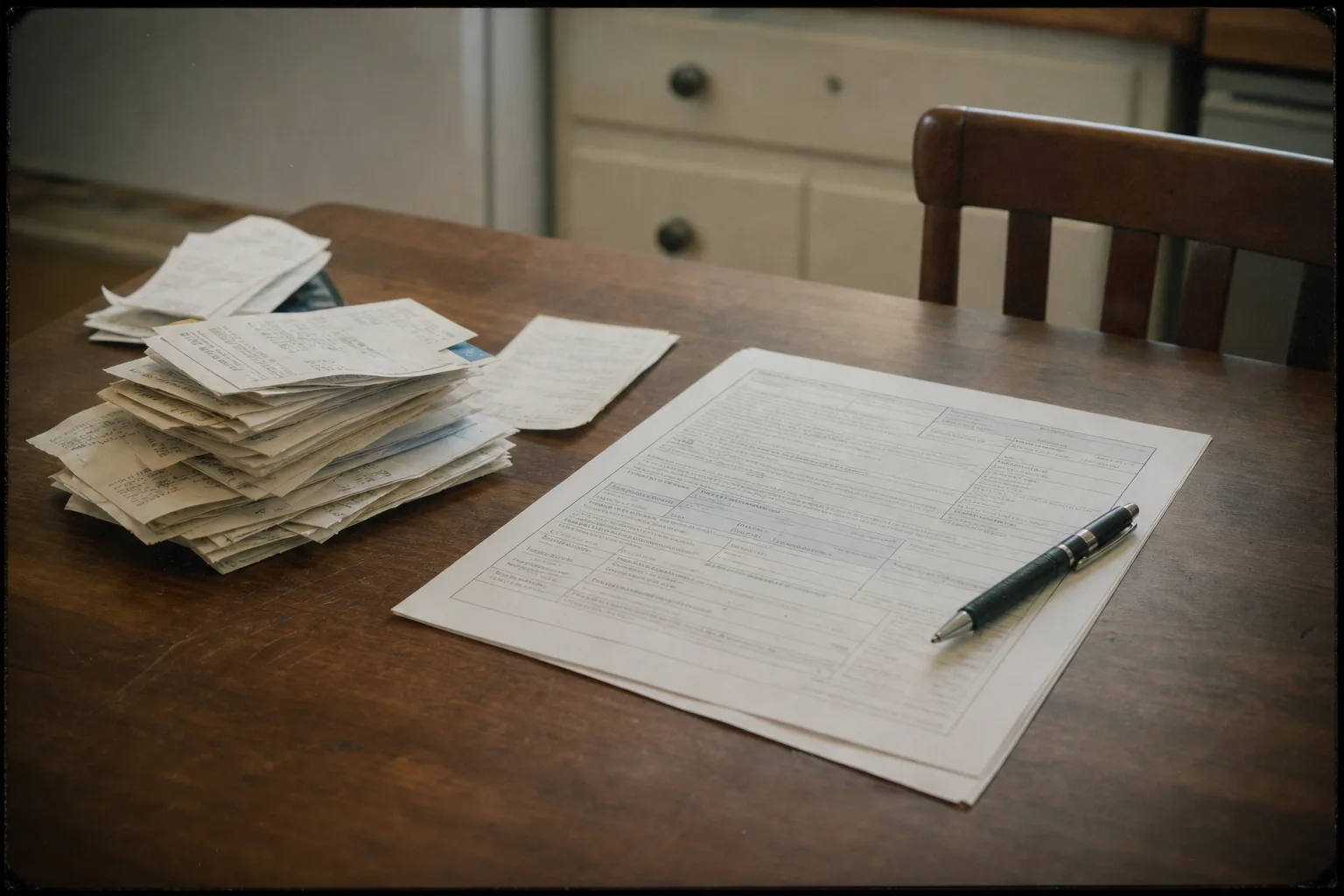
A dispute over money starts with a feeling rather than a plan, and the feeling is usually proportional to how badly somebody behaved rather than to how much is at stake. That is a reasonable human response and a poor basis for choosing what to do next, because the four routes available to a consumer differ enormously in cost, in speed, and in the size of claim they suit. Matching the route to the number, rather than to the anger, is most of what separates a resolved dispute from a year of correspondence.
The Chargeback, Which Is Fast and Narrow
If the payment was made by credit card, the card network provides a dispute process that costs nothing, takes weeks rather than months, and puts the money back provisionally while the matter is examined. The grounds are specific: goods or services not received, not as described, a duplicate or unauthorized charge, or a cancelled recurring payment still being taken. Timing rules apply and they are strict, generally measured from the transaction or from the date delivery was expected.
What it is not is a general purpose remedy. A chargeback cannot resolve a dispute about quality where something was delivered and works but disappoints, and it does not address consequential loss of any kind. Attempting one on weak grounds also uses up the fastest route while producing a record that the merchant will cite later. Debit card protections exist but are narrower and slower, which is a real argument for paying by credit card for anything where delivery is in the future.
Small Claims Court, Which Is Built for Exactly This
Small claims exists specifically so that ordinary disputes can be decided without attorneys, and it is dramatically less intimidating than people expect. Filing fees are modest, the limits run from a few thousand dollars to around ten depending on the state, procedure is simplified, and in many states attorneys are restricted or excluded altogether. Hearings are short, the judge asks questions directly, and a decision usually arrives within weeks of filing rather than years.
The two things worth understanding before filing are collection and preparation. What a court hands you at the end is a document recording a debt, and extracting the money from somebody unwilling to part with it is a separate exercise, which means the route suits defendants with visible assets or an ongoing business far better than it suits individuals who have moved. Preparation matters more than eloquence: a one page chronology, the contract, the payment records, and photographs organized in date order will beat a better argument delivered from memory.
Arbitration, Which You May Already Have Agreed To
A great many consumer contracts, particularly for financial products, telecommunications, and software, contain a clause requiring disputes to go to arbitration rather than to court, and frequently barring participation in class actions. That clause was agreed to at signup and it is generally enforceable, so for those companies arbitration is not one option among several but the only route available other than small claims, which many such clauses specifically carve out.
Consumer arbitration is less awful than its reputation in one specific respect: the company usually pays the filing costs under the applicable rules, and hearings can be conducted by telephone or on documents alone. What it lacks is a public record, an appeal on the merits, and the leverage that a court filing creates. The practical advice is to read the dispute clause before doing anything else, since it determines which of these routes is actually open and it takes two minutes to find.
Walking Away, Priced Honestly Rather Than Emotionally
The fourth route is abandoning the claim, and it deserves to be evaluated as a decision rather than treated as a defeat. Pursuing a dispute costs filing fees, hours of assembling documents, time off work for a hearing, and a period of low grade stress that is genuinely real even though it never appears on any ledger. Somebody who values their own time at any plausible hourly figure will find that a three hundred dollar dispute frequently costs more to pursue than to absorb.
That calculation changes when the amount rises, when the same company is doing it to many people, or when a formal complaint is likely to produce a policy change rather than only a refund. It also changes if the matter can be pursued cheaply, which is why the chargeback is worth attempting first: it costs almost nothing, so the arithmetic that argues against a court filing does not argue against a phone call to a card issuer.
Which Route Suits Which Number
Sorted by the amount at stake, the pattern is fairly consistent. Below a few hundred dollars, a written complaint and then a chargeback are the only routes whose cost is smaller than the claim, and if both fail the honest answer is usually to stop. Between a few hundred and the small claims limit in your state, the court is the right instrument and the filing fee is small enough that the arithmetic clearly favors pursuing it. Above that limit the matter needs advice, because the choice between reducing the claim to fit small claims and pursuing the full amount elsewhere is a real decision with real consequences.
Evidence Decides All Four, and It Is Built Beforehand
Whatever route is chosen, the outcome turns on material created at the time rather than assembled afterward. The contract or the order confirmation, the payment record, photographs dated when they were taken, and written communication with the other side are the whole file, and a dispute conducted entirely by phone leaves nothing behind. The single most useful habit is to follow any significant call with a short email summarizing what was agreed, which converts a conversation into a document neither side can later reconstruct differently.
The sensible order is also the cheapest order. A written complaint to the company first, then a chargeback if the payment method allows it, then a regulator or the state consumer protection office listed through USA.gov where the sector has one, and small claims last. Each step costs more than the one before it, each creates evidence for the next, and the great majority of disputes end somewhere in the first two, which is exactly where a decision made on the amount rather than on the anger would have started.