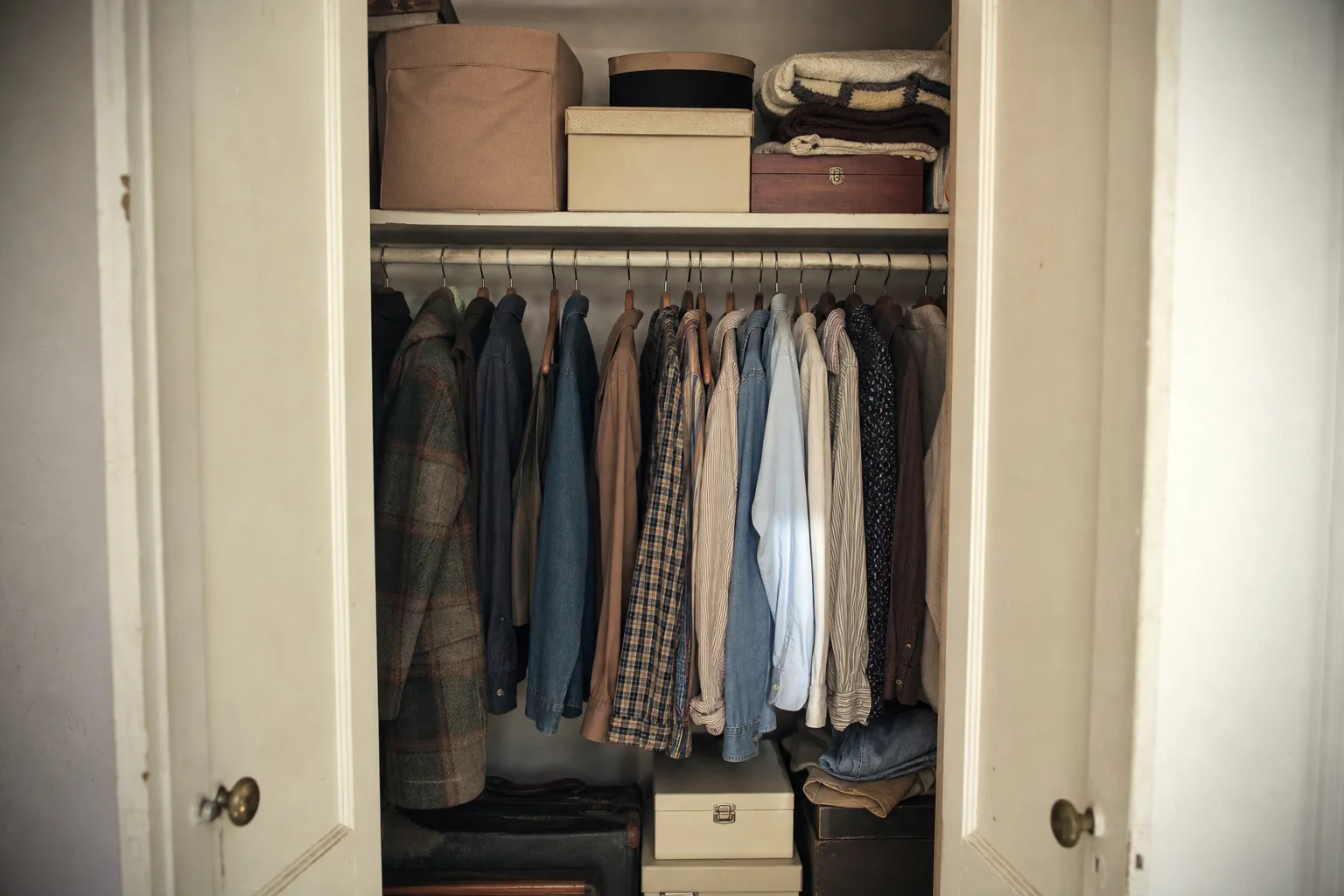
Imagine being asked, right now, to list everything in one closet in your house, with approximate values and rough purchase dates, and to do it accurately enough that somebody would write a check against it. Almost nobody can. That exercise is precisely what a contents claim requires, except that it covers the whole house and it is performed by people who have just had a fire or a flood, from a hotel room, from memory. The gap between what a household lost and what it can list is where most contents money quietly disappears.
Why the Photographs Do Most of the Work
A written inventory is the thing everybody imagines and almost nobody completes, because listing several thousand objects is a project that gets abandoned in the third drawer. Photographs and video accomplish most of the same purpose in a tiny fraction of the time, since an image of a shelf establishes that eleven specific things existed and roughly what they were, which is what an adjuster needs in order to accept the line. The reason to open every closet, cabinet, and drawer is that stored items are where the value hides and where memory fails completely. Linens, tools, sports equipment, holiday decorations, small appliances, and the accumulated contents of a garage are individually unremarkable and collectively a very large number. Nobody remembers them under stress, and everybody has them, which is why the closets matter more than the living room that is easy to picture.
The Afternoon Method, Room by Room
Start at one end of the house and work through it with a phone, recording video and narrating as you go. Say what things are, name a manufacturer where you can see one, and give an approximate age. Open everything. In the kitchen, film inside cabinets. In bedrooms, open closets and film the rail and the shelf above it. In the garage or basement, film the shelving and any stored boxes, and say what is in them.
Then take still photographs of anything individually significant: electronics with their model numbers visible, jewelry, tools, musical instruments, artwork, and collections. Photograph serial number plates where they exist, because a serial number turns a claim line from an assertion into a fact. The whole pass takes an afternoon for a typical house, and the narration is doing more work than the images, since a spoken sentence carries information a photograph cannot. Do it in daylight with the lights on, and film slowly enough that a still frame pulled from the video is actually usable.
The Short Written List That Complements It
Alongside the video, a written list of perhaps twenty to forty items covers most of the value in an ordinary household. Each line needs an item, a rough purchase date, an approximate replacement cost, and a model or serial number where one exists. Receipts still findable in an email account can be forwarded into a folder in about ten minutes, and appraisals for jewelry or art belong with them. This is also the moment to notice what the household actually owns, which is frequently more than expected. People consistently underestimate contents value by a wide margin, because the estimate is made by picturing the furniture rather than by adding up a decade of accumulated ordinary purchases. A rough total produced this way is a better number than the one a policy was written against, and comparing the two is the point of the exercise.
Checking the List Against What the Policy Will Pay
Two features of the policy decide what the inventory is worth, and both are printed on the declarations page. The first is whether contents are settled at replacement cost or actual cash value, because the difference on a ten year old sofa is the difference between what a new one costs and what a ten year old one is worth, which is not close. The second is the special limits, which cap payment for particular categories regardless of the overall contents limit.
Jewelry, watches, firearms, cash, silverware, collectibles, and business property kept at home are the usual capped categories, and the caps are frequently far below what a household holds. The fix is a scheduled endorsement listing specific items, which typically costs a modest annual amount and often removes the deductible for those items as well. Discovering the cap while building the inventory is cheap; discovering it after a burglary is not.
Keeping It Current Without Turning It Into a Project
An inventory decays, and the maintenance that actually gets done is the smallest possible version. Redo the video walkthrough once a year, which takes twenty minutes the second time because you know the route. Add anything significant as it arrives by photographing the item and the receipt together. And keep the whole thing somewhere outside the house, since an inventory stored on a computer that burned with the building has documented nothing.
The same file has a second use that households rarely anticipate. Records substantiating what was owned and what it cost are what the Internal Revenue Service expects behind a casualty loss deduction where one is available, and they are equally useful for a police report after a burglary or for a moving company claim. The afternoon spent opening closets pays for itself in whichever of those turns up first, and it is the only version of the exercise anybody actually completes.