The most consequential person in the first two weeks after a commercial-vehicle collision is frequently not the attorney. It is whoever runs intake at the firm: the coordinator or paralegal who takes the call, works a questionnaire, and decides what lands on the lawyer's desk before the first meeting. In the file described below, that person's notes are the reason a preservation letter went out in time. The attorney's judgment mattered later. On day three, the file existed because of someone whose name never appeared on the letterhead.
This is one narrow case, worth taking seriously on its own terms rather than turning into a rule. A passenger vehicle was struck from behind by a tractor-trailer on a divided highway at highway speed. Property damage was total. The injuries were real but not catastrophic, which matters, because a case in that middle band lives or dies on documentation rather than on obvious severity.
What was in the folder, and what was missing
The client's spouse arrived with a folder. It held the state crash report, three pages of photographs from the shoulder, a hospital discharge summary, and a letter from an adjuster requesting a recorded statement. That is more than most people bring. It was still missing the two things that decided the next month.
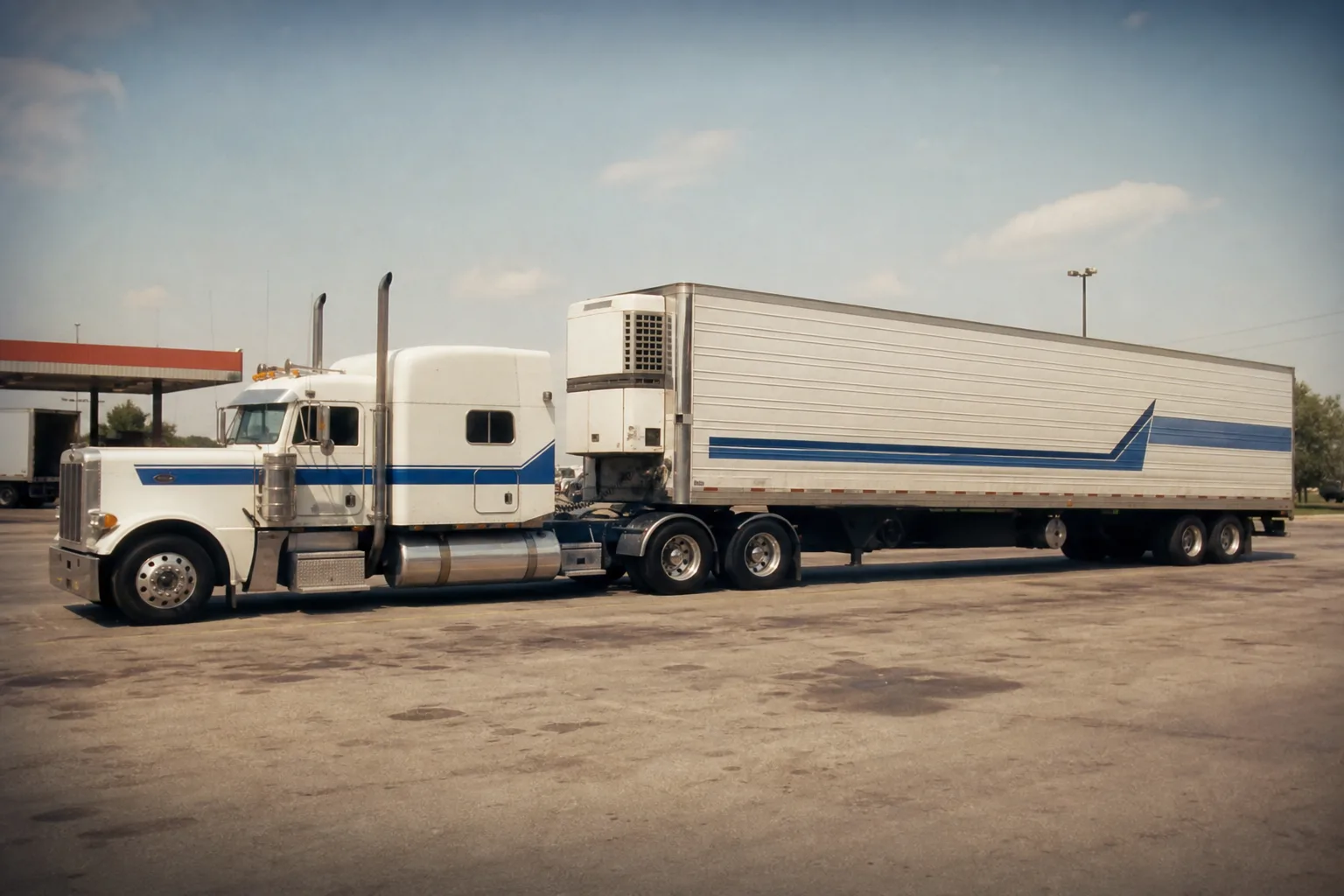
The photographs showed the tractor's door with a company name and a US DOT number. They also showed the trailer, and the trailer carried different markings. Nobody in the family had noticed. The intake coordinator did, because her questionnaire asked, in plain terms, whether the tractor and trailer bore the same name, and asked for photos of both if they existed.
The second gap was the adjuster letter. It had arrived nine days earlier and had been set aside as something to deal with after the medical appointments. Intake flagged it as time-sensitive and unanswered, which is a different item on an agenda than "insurance mail."
How intake became a job instead of a receptionist's task
The role grew out of contingency economics. A firm handling commercial-vehicle work advances its own costs: crash reconstruction, download of onboard data, medical record retrieval, sometimes an accident site inspection. Those costs are committed early, well before anyone knows what the case is worth. So firms built a screening function whose purpose is to establish, quickly, three things: who the responsible entities probably are, whether insurance coverage exists at a level that makes the work viable, and whether any evidence is about to disappear.
That last item pushed intake from clerical to substantive. Motor carrier records live under federal safety regulation, and the Federal Motor Carrier Safety Administration is the agency responsible for those record-keeping requirements. Several categories of record have retention periods measured in months rather than years. Electronic logging device data, driver duty status records, dispatch communications and post-accident testing paperwork all sit in that category. A firm that takes six weeks to send a spoliation letter may be asking for documents a carrier is no longer obligated to hold.
So the questionnaire got longer and the person asking it got trained. Ask about the trailer separately from the tractor. Ask whether a placard indicated hazardous cargo. Ask whether anyone at the scene mentioned a broker or a shipper. Ask what the driver said, and to whom. None of that is legal advice. All of it determines which letters go out on which day.
The detail that changed the defendant list
The mismatched trailer markings turned out to matter. The tractor was operated under one carrier's authority; the trailer was owned by a separate leasing entity, and the load had been arranged through a broker. That configuration is ordinary in freight and it produces a set of potentially responsible parties that a police report will not list. It also produces more than one insurance policy, which is the practical point for a client whose medical bills are still accruing.
An attorney who has already read intake's summary can spend the first meeting on strategy rather than on discovery of basic facts. In this file, the meeting produced three decisions in under an hour: decline the recorded statement for now, send preservation letters to the carrier, the trailer owner and the broker, and open a separate track for the client's own underinsured motorist coverage. Retaining a truck accident lawyer who works these cases regularly bought speed on the letters specifically, because the templates and the recipient list already existed.
What to bring so the hour is not spent on reconstruction
The practical takeaway from this file is a short list, ordered by how hard each item is to recover later.
- Photographs of both the tractor and the trailer, including door markings, the US DOT number, license plates on both units, and any placards. If you have them, they are the highest-value item in the folder.
- Every piece of paper from any insurer, with the date it arrived written on it. Requests for recorded statements and medical authorizations carry response expectations.
- Your own auto policy declarations page, not the ID card. Coverage limits and the presence of underinsured motorist coverage change the analysis.
- A plain chronology, one page, of medical visits, missed work, and conversations with anyone about the crash.
- Names of witnesses and how to reach them, even partial information.
Send those ahead of the meeting rather than carrying them in. The point is to give intake time to do its work before the attorney's clock starts, so the meeting begins with a defendant list and a calendar instead of a blank page.
If a firm's first contact is a form and a promise to call back, ask who handles intake and what they need from you this week. The answer tells you whether the file will be moving before you sit down.