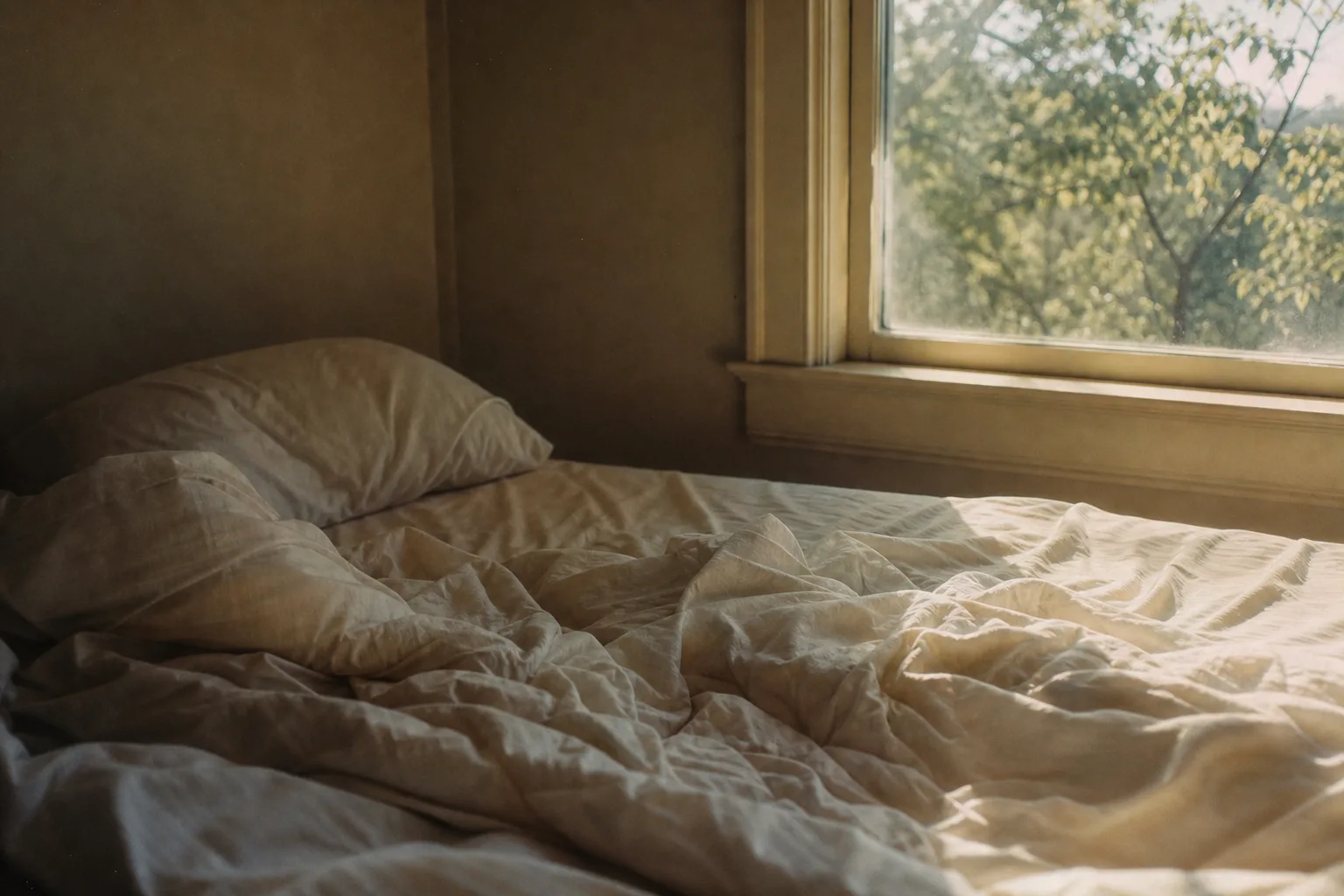
Walk through the sleep aisle of any large store and the shelves make an implicit argument: that sleep is a problem of equipment, solvable by a better mattress, a cooling pad, a weighted blanket, a ring that scores the night, or a supplement in a dark bottle. The argument is appealing because it is purchasable. The interventions with the strongest evidence behind them cost nothing, cannot be gift wrapped, and involve doing several mildly unpleasant things consistently for a month, which is why almost nobody hears about them first.
The Program That Actually Works, and Why It Is Unpopular
For chronic insomnia, meaning difficulty falling or staying asleep several nights a week over months, the treatment with the deepest evidence base is a structured behavioral program rather than a medication or a product. It runs six to eight weeks, it is delivered by a clinician or increasingly by a well designed app, and it works by changing the relationship between the bed and wakefulness rather than by making anybody sleepier.
The core of it is counterintuitive and genuinely unpleasant for the first fortnight. Sleep restriction compresses time in bed to roughly the hours actually slept, which increases sleep pressure and consolidates fragmented nights, then extends the window gradually as efficiency improves. Stimulus control adds the rule that the bed is used only for sleep, and that anybody awake beyond about twenty minutes gets up and goes elsewhere until sleepy. Both feel wrong, both are the active ingredients, and the initial week is worse before it is better.
Light and Timing, Which Do More Than Anything in a Bottle
The internal clock is set principally by light, and the most powerful lever available to a household is the timing of exposure rather than its absence. Bright light in the first hour after waking, ideally outdoors even under cloud, advances the clock and makes the following evening’s sleep onset earlier. This is a larger effect than most people expect and it is free, and it is also the one intervention that helps both the person who cannot fall asleep and the person who wakes at four.
Evening light matters in the opposite direction, and the popular focus on screens somewhat overstates one part of it. The brightness of a room in the two hours before bed does more than the color temperature of a phone, so dimming overhead lighting is a bigger lever than a blue light filter. Consistency of wake time matters more than consistency of bedtime, because the wake time is what anchors the clock, and a weekend that shifts it by three hours produces something functionally similar to jet lag on a Monday.
What the Products Are Actually Doing
Most sleep products are doing something real and smaller than advertised. Cooling mattress pads and cooler rooms genuinely help, because core temperature has to fall for sleep to begin and a warm bedroom interferes with that. White noise helps in a noisy environment by masking variation rather than by inducing anything. Weighted blankets have modest evidence for anxiety around sleep onset and are pleasant for people who like them, which is not nothing.
Trackers are the category most likely to work against their owner. They are reasonably good at total time and poor at staging, and their real risk is that a person sleeping adequately reads a mediocre score and becomes anxious about sleep, which is itself a well recognized route into insomnia. Anybody who finds themselves checking a score before they have noticed how they feel is holding a device that has stopped being diagnostic and started being a symptom.
The Bedroom Variables, Ranked Honestly
Sorted by how much they actually move the outcome: a cool room comes first, then darkness sufficient that the room is genuinely dark rather than dim, then quiet or consistent masking noise. A mattress matters, but mainly at the extremes, since a bed causing pain is a real problem and the difference between a good mattress and an excellent one is small compared with the marketing spend behind it.
Below those sit the substances, and they are ordered more clearly than people expect. Caffeine has a long half life and an afternoon cup measurably affects sleep architecture in many people even when it does not prevent sleep onset. Alcohol shortens the time to fall asleep and reliably fragments the second half of the night, which is why a drink is a poor sleep aid and a very common one. Late heavy meals matter modestly, and exercise helps at almost any hour, with the evening caveat being much weaker than commonly stated.
When It Is Not Insomnia, and When It Is Only Age
Sleep genuinely changes across a life, and a good deal of unnecessary worry comes from expecting it not to. Total sleep need falls only modestly after early adulthood, but the architecture shifts: deep sleep declines, the night becomes lighter and more fragmented, and the whole cycle tends to move earlier, which is why older adults often wake at five and conclude something is wrong. Most of that is ordinary aging rather than a disorder, and the napping that follows is the variable worth watching, since a long afternoon nap borrows sleep pressure from the coming night.
A meaningful share of poor sleep is a different condition wearing insomnia’s clothes, and no amount of behavioral work will address it. Loud snoring with pauses, waking unrefreshed after adequate hours, and daytime sleepiness severe enough to make driving unsafe point toward sleep apnea, which is common, underdiagnosed, and treatable. Restless legs, chronic pain, an overactive thyroid, and a number of ordinary medications also produce sleep disruption that is a symptom rather than a habit. The Centers for Disease Control and Prevention treats insufficient sleep as a population health issue alongside diet and physical activity rather than as a personal inconvenience, which is a reasonable frame for deciding when to raise it with a clinician. The threshold worth using is duration and consequence: months rather than weeks, and interference with work, driving, or mood rather than mere annoyance.
A Four Week Version for Somebody Not Ready to See Anybody
Pick a wake time and hold it every day including weekends, which is the single highest yield change available and the hardest to sustain. Get outside within an hour of waking for ten minutes. Move caffeine to before noon. Get out of bed when awake beyond twenty minutes rather than lying there negotiating. Keep the room cool and genuinely dark. Do all five for four weeks before concluding anything, since the first ten days are the worst part of every version of this.
None of that is exciting and none of it can be bought, which is precisely why the aisle is full of alternatives. The products are not frauds and several of them help at the margin, but they are accessories to a set of behaviors that do the actual work, and a household that gets the behaviors right will usually find it needs far less of the equipment than the shelf suggested.