Ask anybody who has worked reception at a law firm what happens to a new inquiry and the answer is not what most callers imagine. The first conversation is rarely with an attorney, it is frequently with somebody working from a structured form, and its purpose is triage rather than advice. That is not a brush-off and it is not a sales screen in the ordinary sense. It is the firm deciding which of three or four buckets a matter belongs in, and the caller has considerably more influence over that than they realize.
What the Screening Call Is Actually Deciding
Four things, in roughly this order. Whether the matter is in an area the firm practices, since a firm that does employment work will not take a boundary dispute and would rather establish that in two minutes than in twenty. Whether there is a conflict, meaning whether the firm already acts for somebody on the other side, which is checked against names and is the reason they ask for the full name of everybody involved before anything else.
Third, whether the matter is urgent, because a served lawsuit or an expiring deadline changes the queue immediately and a firm needs to know that in the first minute rather than the fifteenth. And fourth, whether the economics work: whether the amount at stake supports the cost of the work, or whether the matter suits a contingency arrangement, or whether the honest answer is that the caller would spend more than they could recover.
The Thirty Second Summary That Gets You Past It
Callers instinctively begin at the beginning, which is usually several months before the part that matters, and the person on the other end is trying to fill in a form while the story unfolds chronologically. A far more effective opening states the category, the counterparty, the amount, the date something happened, and any deadline, in about four sentences. Everything else can follow once those five facts are recorded. Something like a contract dispute with a roofing company over an unfinished job, roughly eighteen thousand dollars, work stopped in April, and a demand letter received last week with a response due in fourteen days. That summary lets the person on the phone route the matter correctly and immediately, and it flags the deadline in the first thirty seconds rather than at the end, which is when it usually surfaces and when it is far less useful.
What to Have Physically in Front of You
The call goes differently when the caller can answer rather than promise to check. Have the full legal names of everybody involved including any business entity names, the key dates, the contract or agreement if one exists, any correspondence, the amount at stake, and anything that arrived from a court or an agency with a deadline printed on it. Ten minutes gathering that before dialing saves a second call and frequently changes which attorney the matter is routed to. It is also worth having two questions ready to ask them. What is the fee structure for a matter like this, and what would the first meeting cost, since consultations may be free, discounted, or billed and it is entirely reasonable to establish which before booking. Both questions are asked constantly and neither causes any offense at all.
Preparing the Documents Before the Meeting Itself
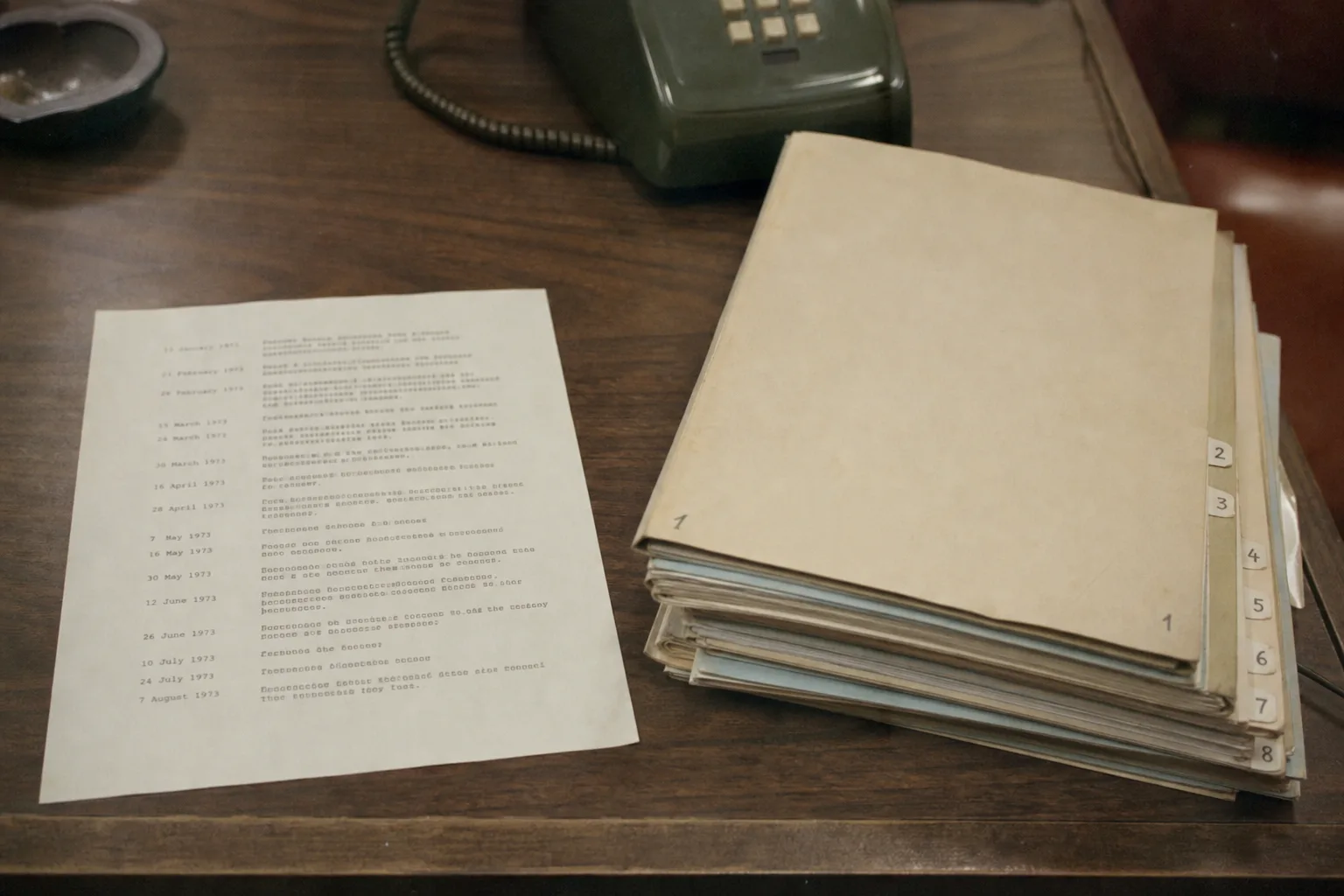
If the matter proceeds to a consultation, the single most useful thing to bring is a one page chronology: dates down the left, one line each, describing what happened and referring to a numbered document. Then the documents themselves, numbered to match, in date order rather than sorted by type. An attorney reading that page understands the matter in three minutes rather than twenty, and the difference is either a shorter bill or a longer conversation about what to do.
What not to do is equally worth stating. Do not omit the parts that are unflattering, because an attorney surprised later by a fact the other side already has is in a materially worse position than one who knew from the start. Do not contact the other party in the days before the meeting to try to settle it yourself. And do not send fifty pages of email in advance without a summary, since somebody has to read it and reading it is billable.
What a First Meeting Should Leave You Holding
A useful consultation ends with four things stated plainly, and it is fair to ask for each of them before leaving. What the realistic range of outcomes is, expressed as a range rather than a prediction. What the next step is and who takes it. What it will cost to reach the next decision point rather than to reach the end. And whether there is a deadline you need to protect in the meantime.
The intake call that started all of it took ten minutes and cost nothing, and it determined which attorney read the file, how quickly, and with what understanding of the urgency. That is a large amount of leverage for a conversation most people treat as an administrative hurdle, and the whole of it comes down to arriving with five facts in order rather than a story that begins at the beginning.