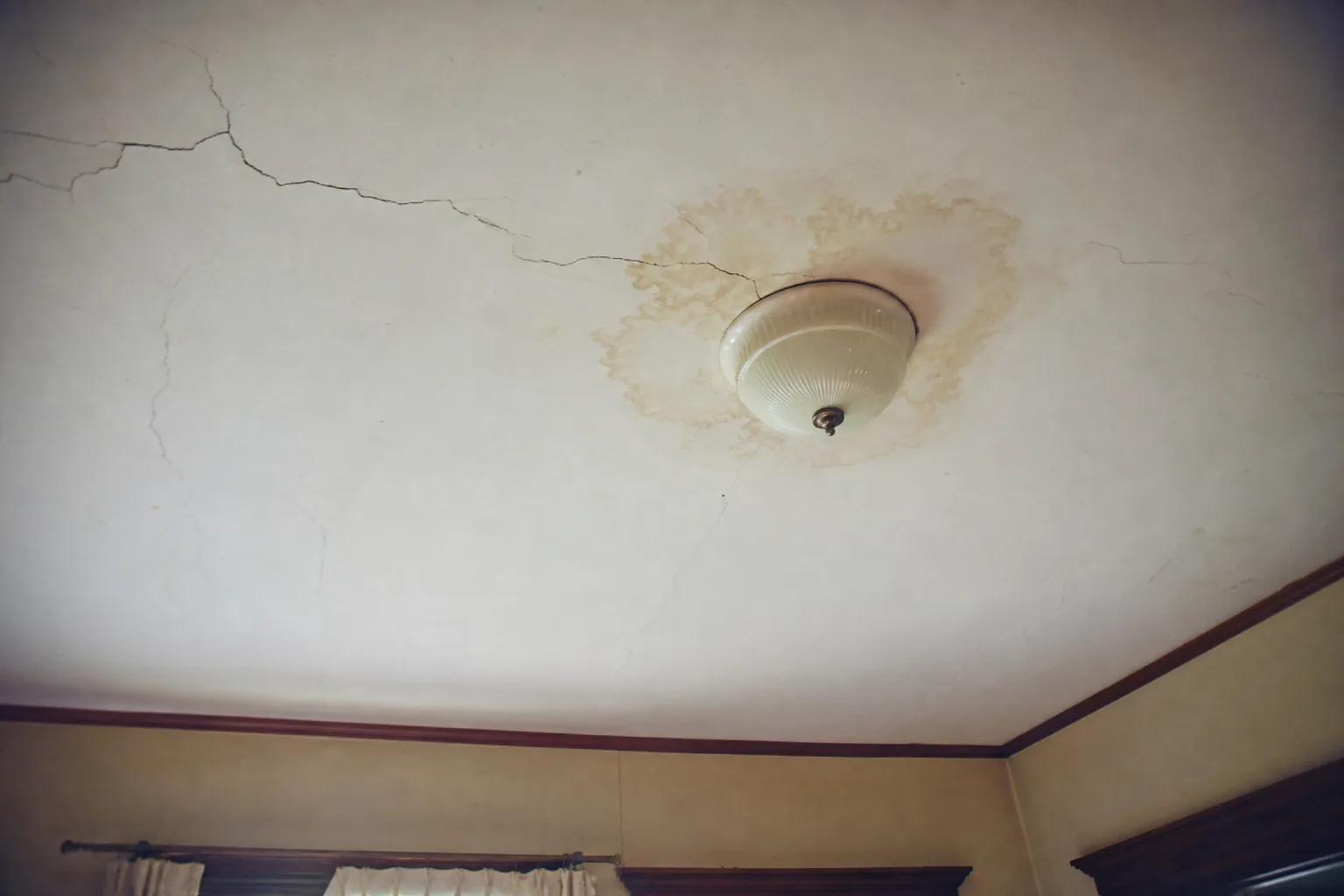
A tree limb comes through a section of fence, or a pipe leaves a stain across a bedroom ceiling, and the first instinct is to call the insurer because that is what the policy is for. The instinct is sound for a large loss and frequently wrong for a small one, because a homeowners claim carries costs that arrive after the check does and do not appear anywhere in the conversation about whether to file. Working through those costs in order takes an evening and usually produces a clear answer rather than a close one.
Get the Repair Number Before Anything Else
Nothing about the decision can be made without a real figure, and a real figure means a written estimate from somebody who came and looked. Guessing high is the standard error here, since damage that looks catastrophic to an owner is often a day of work to a contractor who does it weekly, and a ceiling that has to be opened, dried, patched, and painted lands nearer the low end of what people imagine. Two estimates are better than one, and the second is usually free.
Compare that figure against the deductible on the declarations page rather than against the deductible you remember, because deductibles drift upward at renewal and many policies now carry a separate percentage deductible for wind or hail that is calculated against the dwelling limit rather than stated as a flat amount. On a house insured for four hundred thousand, a two percent wind deductible is eight thousand dollars, and a roof repair that felt like an obvious claim stops being one the moment that number is read correctly.
What a Claim Costs After It Has Been Paid
The settlement is not the whole transaction. A paid claim generally affects the next renewal, it can end a claims free discount that was quietly worth a meaningful percentage of the premium, and the effect persists for several years rather than one. The size of that effect varies by carrier and by state, and it is not something an agent can promise in advance, though an agent can usually say how their book has behaved and whether a particular claim type is treated as an event or as a pattern.
The way to make this concrete is to convert it into a total. If a claim adds a few hundred dollars a year to the premium and the effect runs five years, the cost of filing is that figure plus the deductible, and it has to be set against the settlement. A four thousand dollar repair with a two thousand dollar deductible pays two thousand, and if the renewal effect over five years approaches that, the claim was a wash that also consumed three months of somebody’s attention.
The Second Question, Which Is About Next Time
Insurance is a finite resource in a way people rarely price. Carriers evaluate the number of claims as well as their size, and a household with two small claims in three years occupies a different category from one with a single large claim, regardless of the dollars involved. Using a small claim now can affect the terms available later, at a renewal following something genuinely serious, and that is the real cost of filing at the margin.
This argues for a simple discipline: reserve the policy for losses that would be difficult to absorb, and absorb the ones that would not. A household that can cover a three thousand dollar repair from savings without real disruption is generally better off doing so and keeping its record clean for the loss it cannot cover. A household that cannot should file, because that is precisely the circumstance the policy exists for and no amount of long-run optimization outweighs a repair that otherwise does not happen.
What Gets Recorded Even When You Do Not File
The part that surprises people is that an inquiry can be recorded. Calling to ask hypothetically about coverage sometimes generates a claim record with a zero payout, and those records sit in the industry loss database that carriers check when quoting, where they are visible to any insurer you later apply to. A no-payout entry is not the same as a paid claim and is generally treated more lightly, but it is not nothing either, and its existence surprises homeowners who believed they had merely made a phone call.
Those records are consumer reports, which means the rights attached to them are the same rights that apply to a credit file. The Consumer Financial Protection Bureau publishes plain language material on how consumer reporting works and what a dispute involves, and the practical upshot is that you can request your own file, read what has been reported about your address, and correct an entry that is wrong. Doing that before shopping for a policy is worth more than any comparison of quoted premiums.
A Decision Procedure You Can Actually Follow
Put the numbers in order and the answer usually presents itself. If the repair is below the deductible, there is nothing to claim and the call is unnecessary. If it is between the deductible and roughly twice the deductible, the arithmetic is close and the tiebreaker should be whether absorbing it would genuinely hurt. Above that, and particularly where structural damage, water inside walls, or any injury is involved, file, and file promptly, because delay in reporting is itself a coverage problem in most forms.
Two categories sit outside this framework and should not be run through it. Liability, where somebody was hurt on your property, is always reported regardless of apparent size, because your carrier owes you a defense and handling it privately forfeits that. Catastrophic events with a declared disaster behind them also behave differently, since deductibles, timelines, and the availability of contractors all change at once, and a claim filed early in that queue is handled on a different schedule from one filed in week six.
The repair you decide to pay for yourself deserves the same care as one an insurer is watching, and this is where households lose money quietly. Work done without a permit where the jurisdiction required one becomes a problem at sale, and an unpermitted repair to something structural can complicate a later claim for entirely unrelated damage in the same area. Keep the estimate, the invoice, the photographs of what was behind the wall, and any inspection paperwork in the same file you would have built for a claim, because the next owner of the house, the next adjuster, or the next contractor will all eventually ask.
The fence and the ceiling stain are still the same fence and the same ceiling once the arithmetic is done, but the decision about them stops being a matter of instinct. A written estimate, the correct deductible, an honest reckoning of the renewal effect, and a clear view of what the household could absorb will settle nearly every small claim question in an evening, and the households that do it are the ones with the policy still working the way they need it on the day something genuinely large happens.